Skip to content
QuarterToneQuarterTone

For orchestras, opera and theatre companies, choirs, composers, arrangers & teachers

From faded print to every part on the stand.

Say what you need and who is playing, in plain English. Get back an engraved score with numbered bars, the music fitted to the players you actually have, and a part for each of them. No extra players to book, and no copying bill.

Studio places are open today. Sign in, choose a plan and write your first brief; nothing runs until you set a spending limit.The studio isn’t open right now. Create your account so it’s ready when your place opens.We’re opening studio places a few musicians at a time. Sign in to check your place or ask for one.Studio places are open today. Sign in, choose a plan and write your first brief; nothing runs until you set a spending limit.Your account has a studio place. Open the studio to write your brief and choose a spending limit.Your account is paused pending review. You can still write your brief; contact support for help with your account.

  • Sign in with Google or email
  • Places open todayStudio currently closedPlaces open a few at a timePlaces open todayYour studio place is openYour account is paused
  • You set the spending limit
  • Plans from $20 a month
  • Unused credit refundable for 14 days
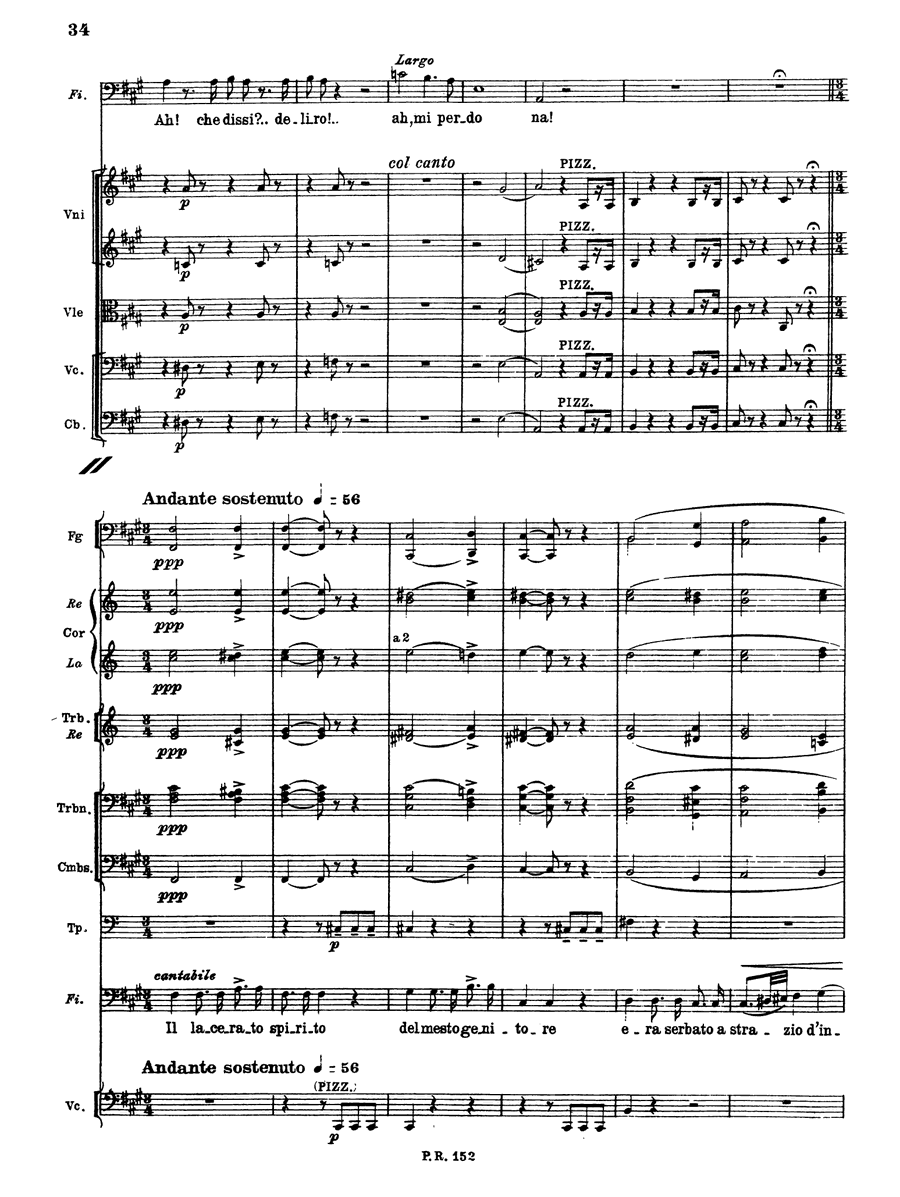
A page of the original nineteenth-century printed score of Verdi’s Simon Boccanegra: grey, dense engraving with no bar numbers.
The old print
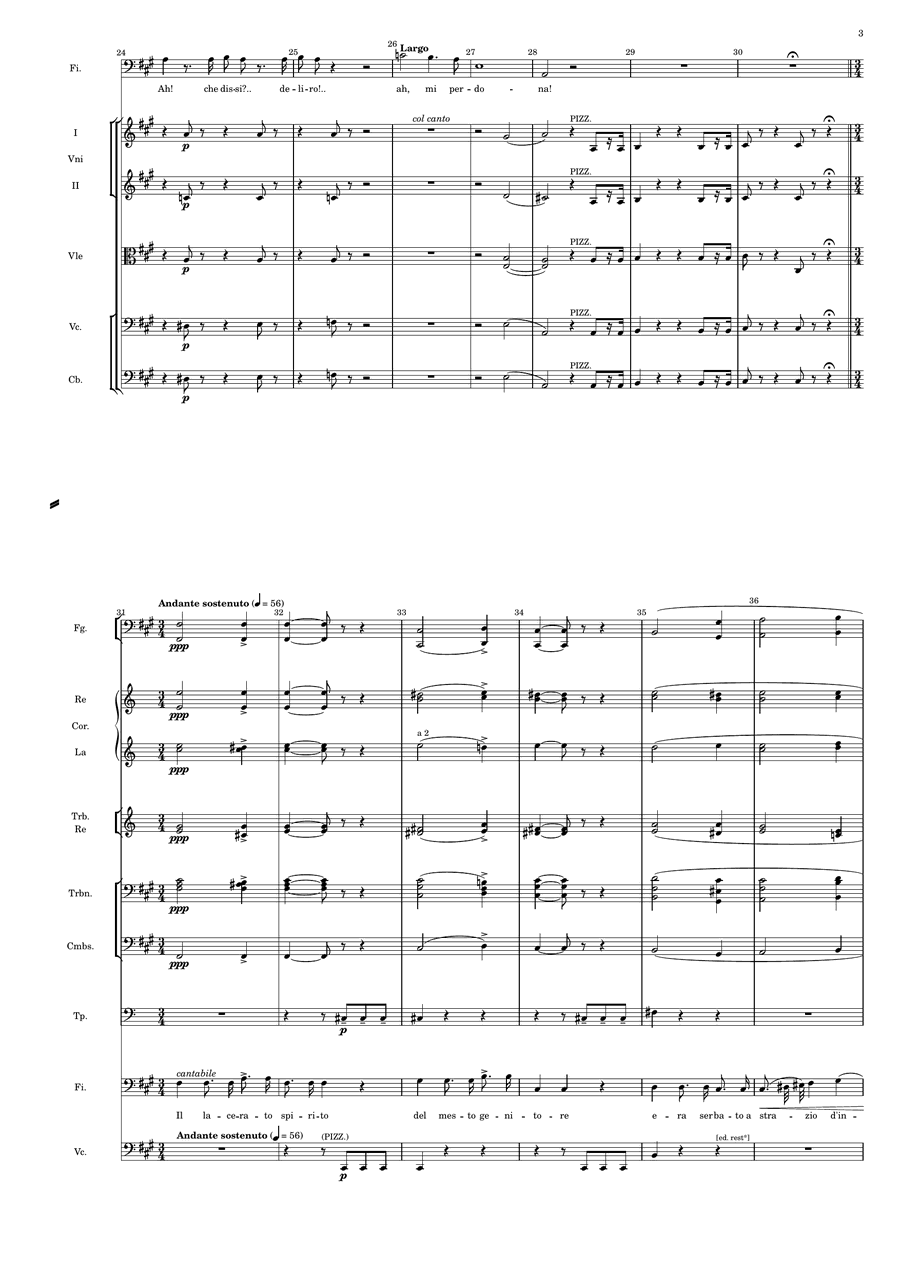
The same music in the new conductor’s score: clean modern engraving with every bar numbered.
New conductor’s score
The first page of the new Oboe I part, with the title, bar numbers, multi-bar rests and rehearsal letters P, Q and R.
Oboe I part

QuarterTone’s arranger is an AI system working with QuarterTone’s own music engine. Every musical choice it makes is recorded, so you can see it and change it, and when something in your score is unclear, it checks with you first. A person answers support email.

Recently: a conductor had a scan of a nineteenth-century Verdi edition and no chorus. The chorus’s lines went to the winds already in the pit, and all 24 parts came back engraved. See what he got back.

What it saves you

Spend less preparing the music, and programme more of it.

Extra players, outside copyists and days of preparation nobody enjoys have always been part of the bill for a performance. QuarterTone takes that work on, so your budget and your rehearsals go further, and the pieces you could never staff or prepare in time are back on the list.

  • Play it with the players you have

    No harp, one horn short, or no chorus this season?

    Send a scan or a PDF of the score, even a faded old edition, and the missing lines are re-scored for the musicians you already have, woven into their own parts. No freelancers to book, and no piece left off the programme.

    See the Verdi scene
  • Engraving and parts, done for you

    A clean score and a part for every player used to mean weeks of a copyist’s or a librarian’s fees.

    Send a scan of any edition, however faded, and QuarterTone engraves a modern score with numbered bars and rehearsal letters, and writes out a part for every player, transposed for their instrument.

    See a finished set of parts
  • Weeks of preparation, done in hours

    A piano reduction for the répétiteur could take days before the singers had anything to rehearse with.

    The full score comes back folded onto two playable staves, keeping the lines that carry the piece, usually within hours, so music calls can start sooner.

    Hear a big-band score reduced for piano
  • Mistakes found before the first rehearsal

    A misprint found in rehearsal stops everyone, with the whole orchestra on the clock.

    Likely misprints and unclear places are listed with their bars, so you settle them at your desk. Every part is made from the same corrected score, so every copy agrees.

    See a checked score
  • A demo the producer can hear

    Winning the go-ahead for a studio session used to mean days building a mock-up in notation software.

    Send your sketch and get it back orchestrated, engraved and recorded as a demo. Piano and drums are played by FrankenSim’s physically modelled instruments, and once the session is booked, the score and parts are ready for the players.

    Listen to finished pieces
  • Creative help, as much as you want

    Every variation, bass line and orchestration written by hand, against a deadline.

    Ask for variations on a theme, a piece in a favourite composer’s style, a bass line or a rhythm section, or a piano piece orchestrated for full ensemble. Take what helps, change anything, and keep your own voice.

    See twelve variations on an old march

Start here

What do you need done?

Choose the closest one. A few plain questions follow, and nothing runs until you have set a spending limit and pressed Start.

Real runs on 10 short pieces took 9 to 52 minutes, start to finish. See exactly what comes back, file by file

Ask the way you would ask a copyist

Choose one to start from those words, or write your own.

  • 24parts

    from nine pages of an old opera score, the chorus re-scored for the orchestra already in the pit

  • 15minutes

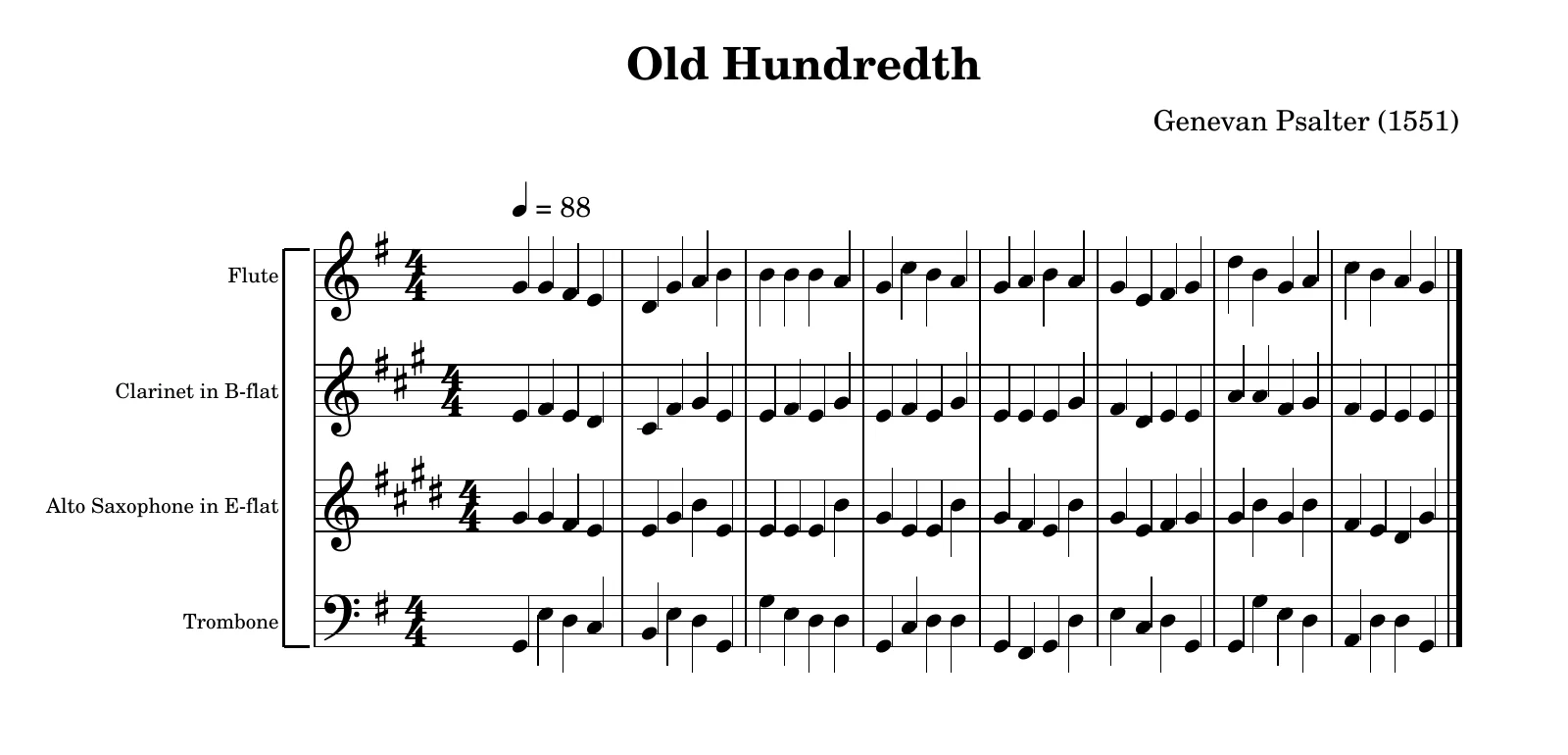
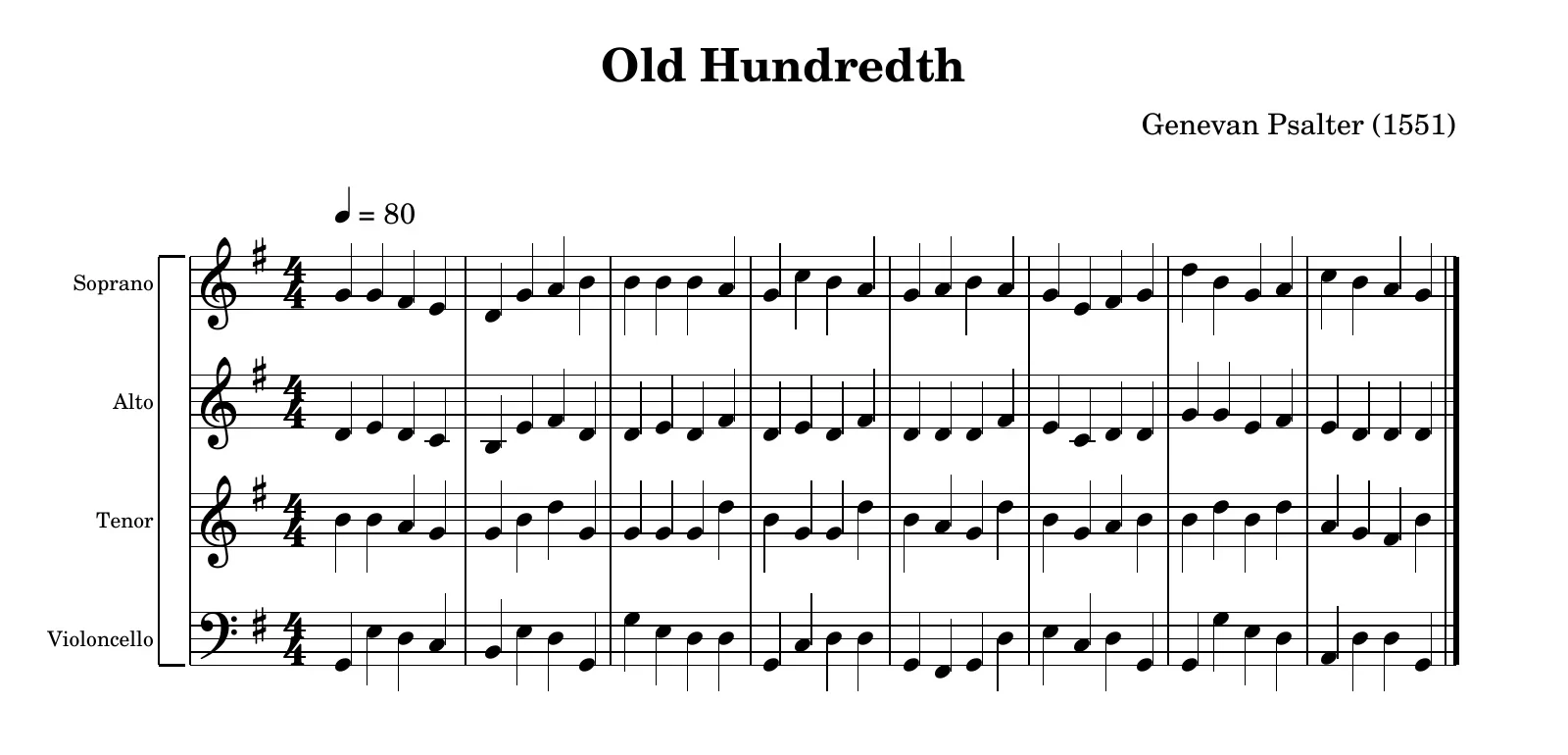
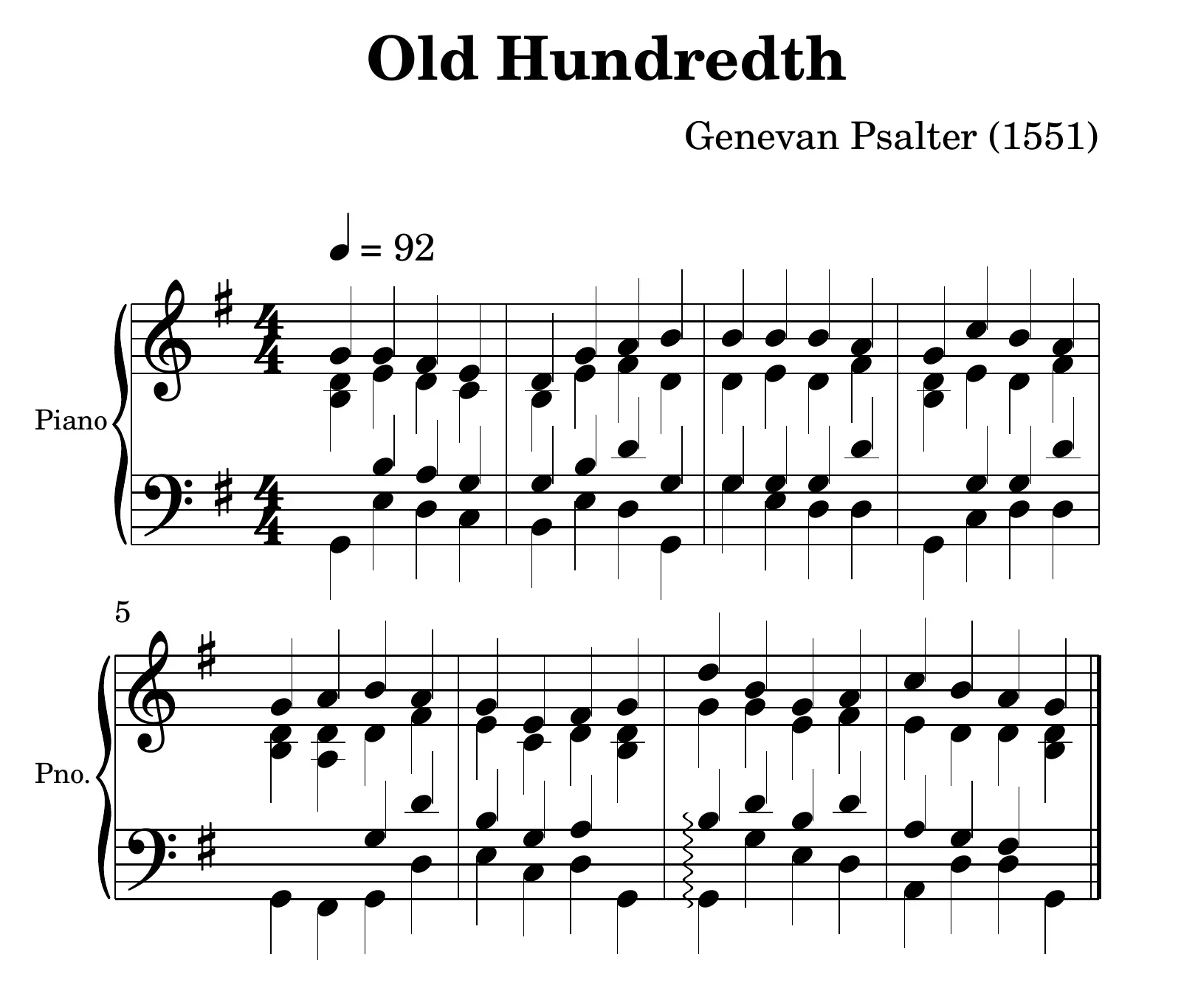
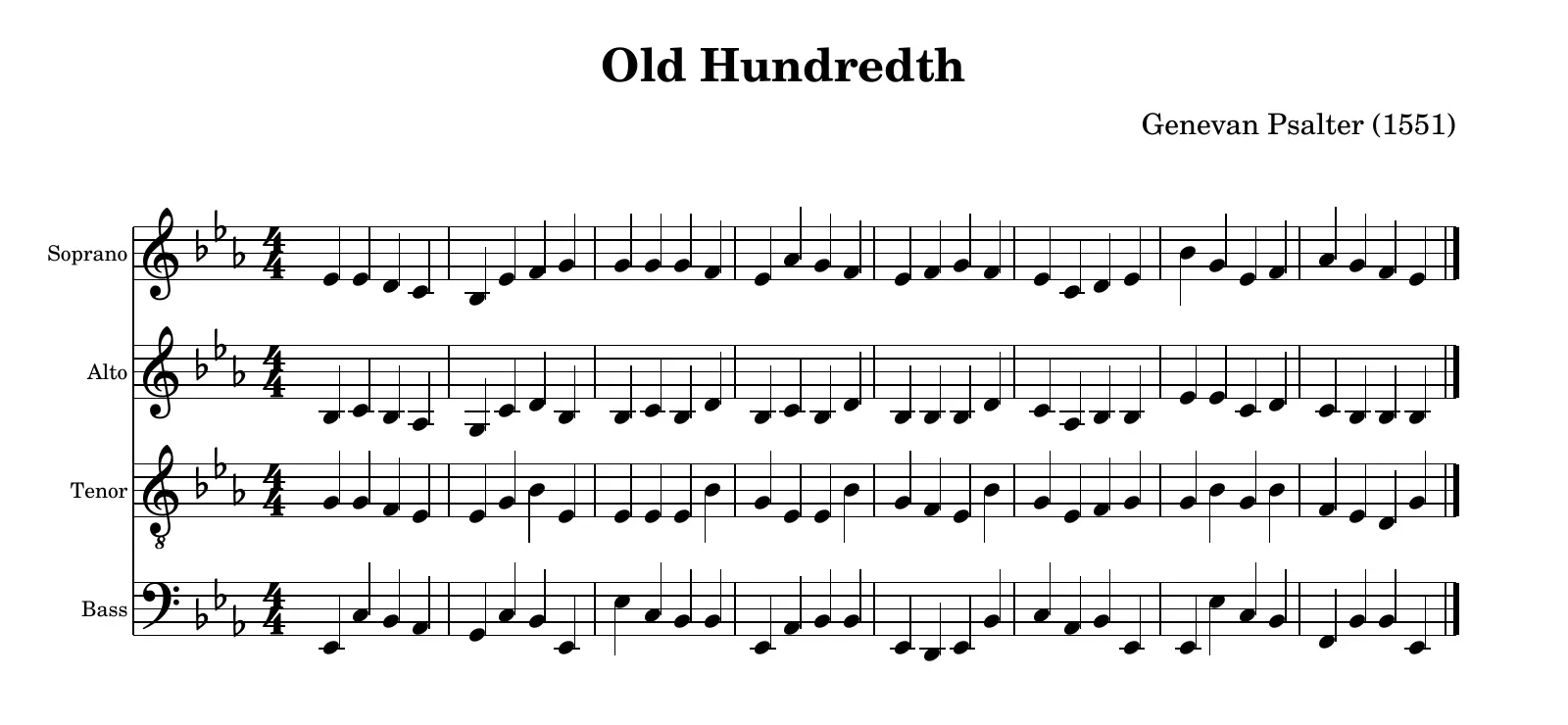
    from a four-voice hymn to a score and a part each for flute, clarinet, alto saxophone and trombone

  • 12variations

    on a traditional march tune, engraved as a fourteen-page recital edition

  • 53bars

    of solo-violin Bach recomposed for concert piano, with a recording and score video

How it works

From your music to finished files.

  1. Bring your music

    An old edition, a photo of a manuscript, a MusicXML or MIDI file, a rehearsal recording. Whatever state it is in now.

  2. Say what you need

    In plain words, like “parts for my quartet, clarinet in B♭.” You set a budget before anything runs, and you are asked when a musical decision needs you.

What comes back

  • PDFConductor’s scoreNumbered bars, rehearsal letters, on Letter or the paper you name.
  • MusicXMLEditable scoreOpens in Sibelius, Dorico, Finale and MuseScore.
  • MIDIPlaybackEvery part, for your DAW or notation app.

Plans start at $20 a month, paid in credits, and you set a spending limit on every request before anything runs. See the plans

Engrave & restore

Old prints, re-engraved for today’s music stands.

Nineteenth-century engravings, photocopies of photocopies, a composer’s pencil manuscript: they come back as modern editions a player can read at speed under a dim stand light.

  • Bar numbers on every system
  • Rehearsal letters that match every part
  • Even, modern spacing and clear noteheads
  • Doubtful readings in the source flagged for you
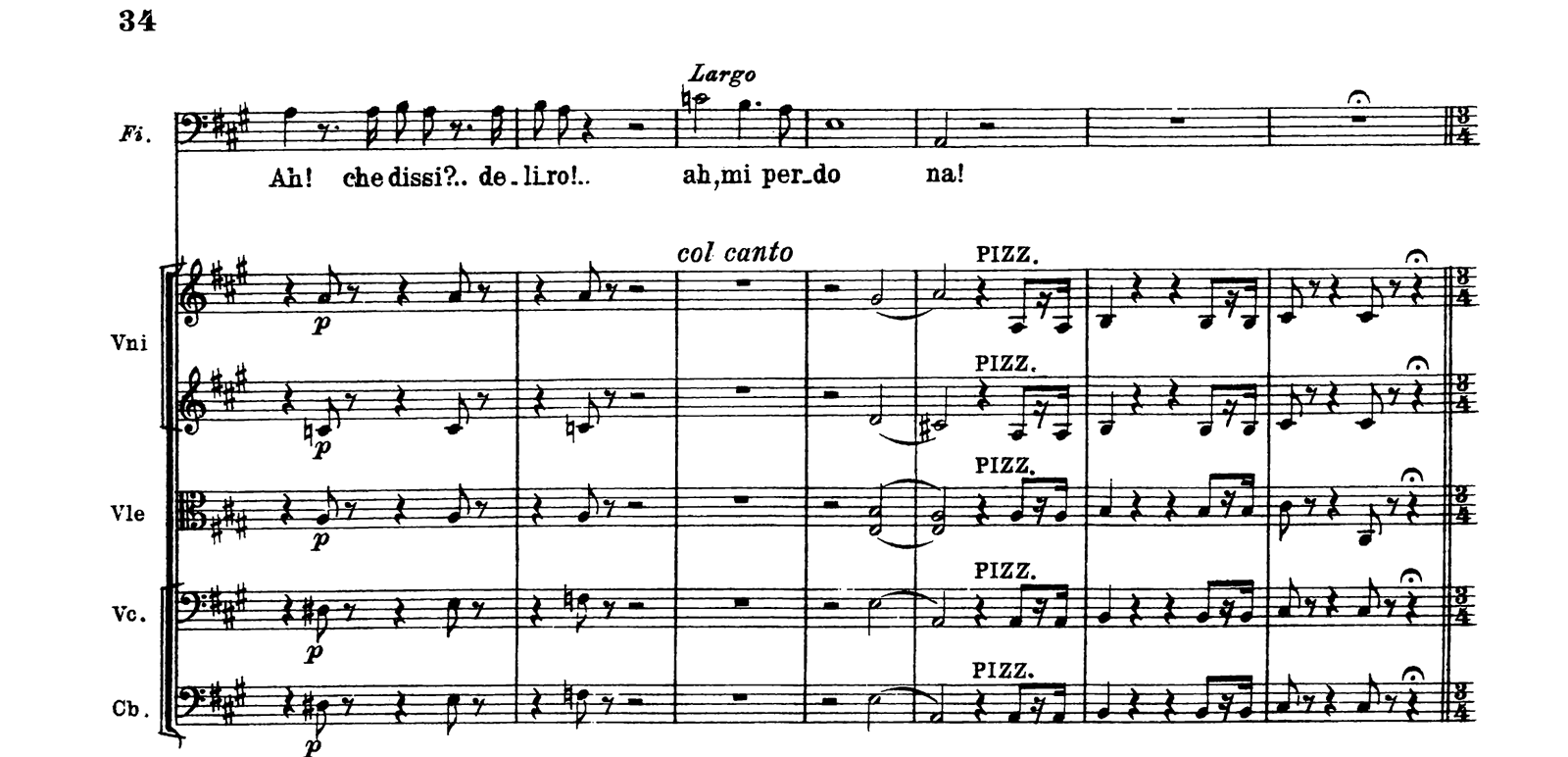
Bars 24 to 30 of the Aria di Fiesco in the original printed score: Fiesco’s line and the strings, cramped and grey, with no bar numbers.
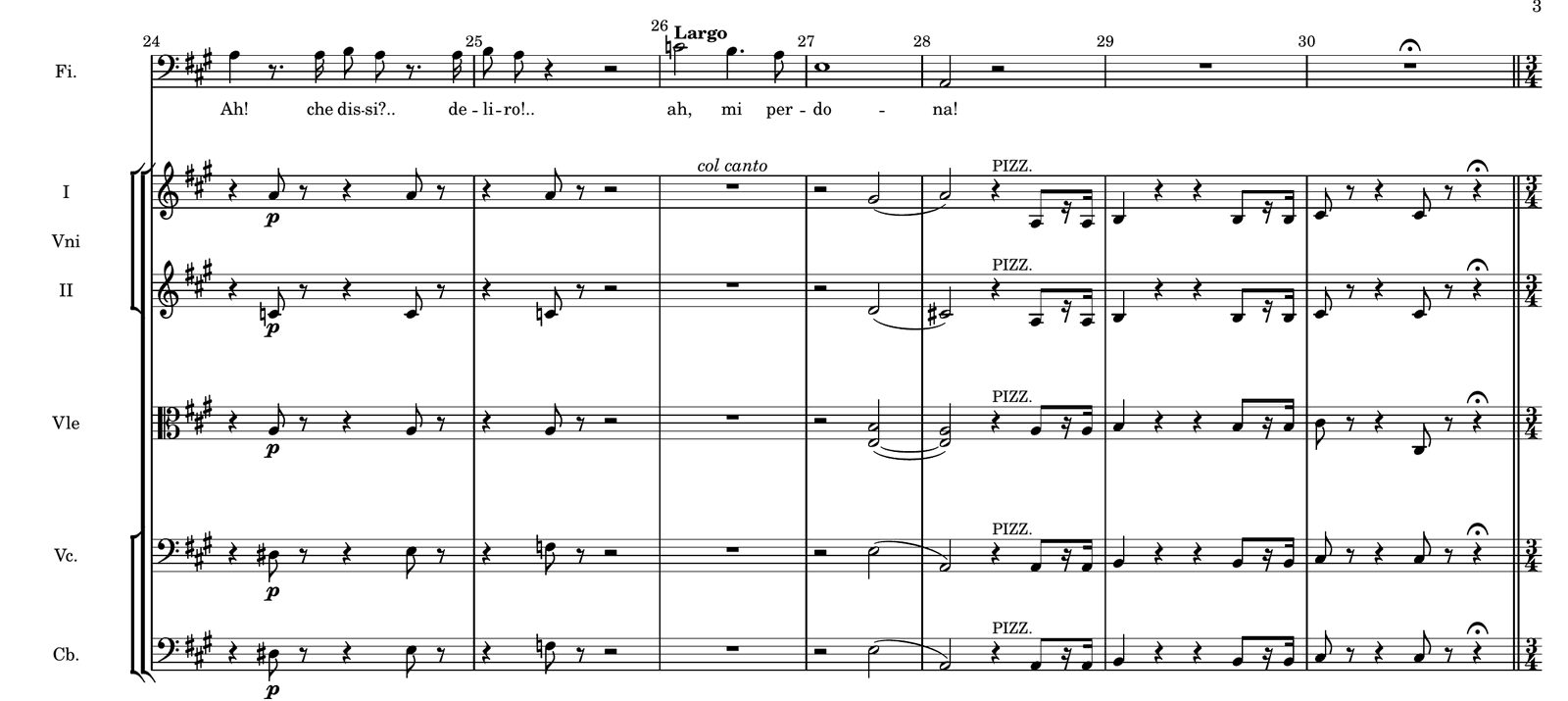
The same bars in the new edition: bars 24 to 30 numbered, the Largo and the pizzicato marked clearly, every staff evenly spaced.
Verdi, Simon Boccanegra, Aria di Fiesco, bars 24–30. Drag to compare.

The players you have

One old score, re-scored for the orchestra that turns up.

A real commission, carried from a conductor’s scan to a part on every stand.

Verdi · Simon Boccanegra · for a working opera house

An opera scene without its chorus, sung by the winds.

A conductor at an opera house in Germany was programming a scene from Simon Boccanegra, but had no chorus for it. All he had was a scan of a nineteenth-century edition, and he expected to spend many hours handwriting new parts for the winds.

Instead, every choral line went to the two oboes, two clarinets in A and two bassoons already in the pit, woven around their own music. He got back a camera-ready conductor’s score in the original’s layout, a separate part for every player, and editable files for all of it.

Every piece can be tailored to the players you have, so nobody has to cut sections or hire extra musicians.

87
bars
24
individual parts
0
extra players hired

A smaller one, to open file by file: a hymn arranged for flute, clarinet, alto saxophone and trombone, each part written for its player.
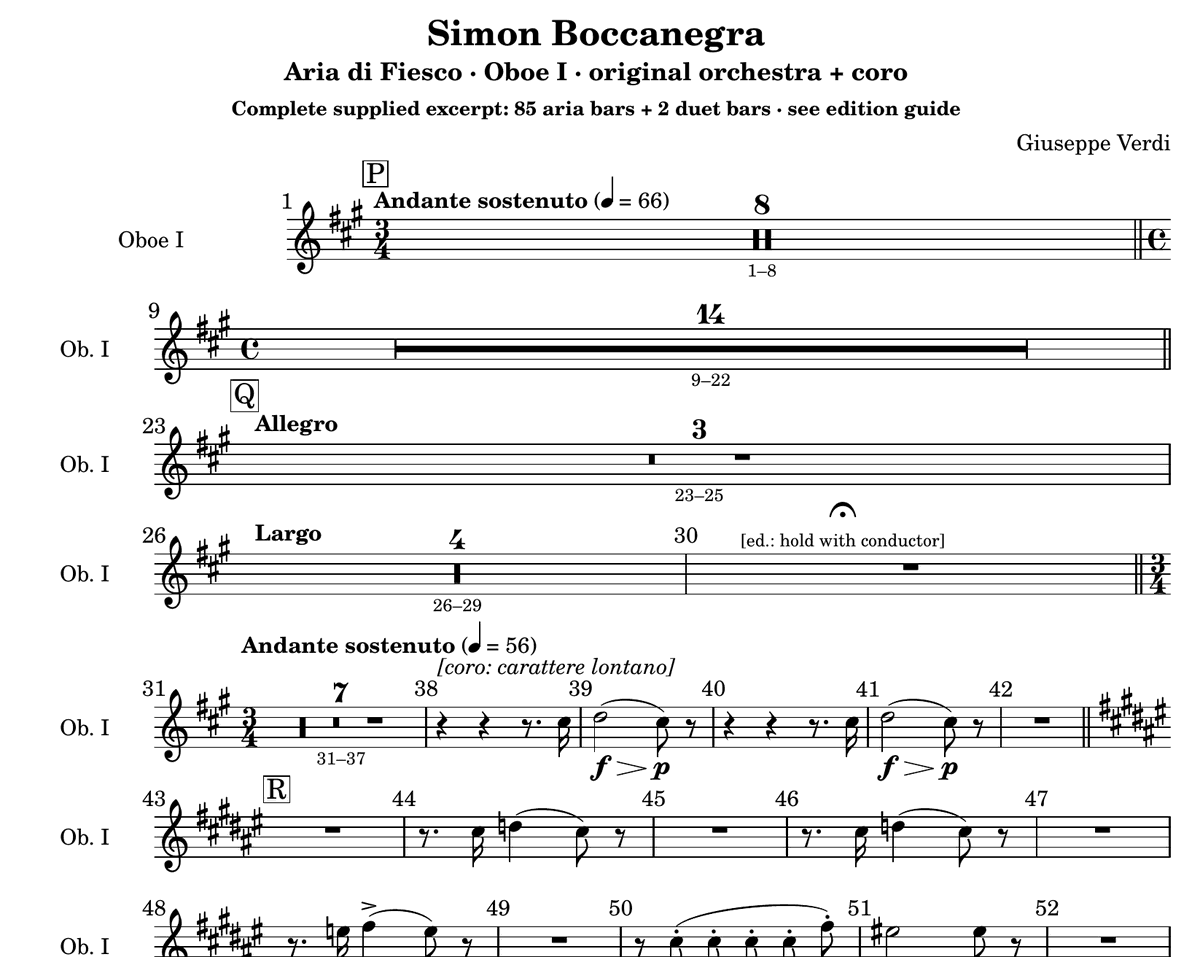
The new Oboe I part: multi-bar rests while the orchestra plays, then the chorus material marked ‘coro’ woven into the oboe line from bar 38.
Oboe I, with the chorus’s lines folded in from bar 38

What it does

Everything a score needs before the first rehearsal.

Each of these once meant hours by hand or an outside copyist’s fee. QuarterTone does them for you, drawing on more than three hundred specialist playbooks covering harmony, counterpoint, orchestration, form and the styles of the great composers.

Prepare

Get the music onto the stand.

  • Engrave and restore

    Crumbling nineteenth-century prints, faint photocopies and pencil manuscripts come back as modern editions with numbered bars and even spacing.

  • Transposed for anyone

    A new key for a singer, a B♭ clarinet part from a violin line, or horn in F from an old part in E♭, with every note spelled the way a player expects.

Adapt

Fit the music to the musicians.

  • Re-scored for the players you have

    If you have no harp, one horn too few or no chorus, the missing lines are rewritten for the instruments you do have, so you neither hire extra players nor drop the piece.

  • Piano reductions

    A full orchestral score folded into two playable hands for rehearsals, auditions and study, keeping the lines that carry the piece.

  • Orchestrated for any ensemble

    A piano piece, a hymn, a song or a sketch, scored idiomatically for string quartet, wind band, brass, church orchestra or full symphony orchestra.

Create

New music from what you bring.

  • Variations, fugues and chorales

    Hand over a melody; get back counterpoint against it, a set of variations, a fugue with a proper exposition and episodes, or a four-part chorale setting written to the rules of the style.

  • In the style of a composer you love

    A new piece built from a close study of how Bach, Mozart, Schubert, Rachmaninoff or Busoni wrote: their cadences, their spacing, their textures.

  • Changed in plain words

    “Make it jazzier.” “Turn it into a rag.” “Thin the texture for a small hall.” “Reharmonise the last verse.” You hear the options that work, and you choose.

Full score to piano

A big band’s full score, arranged for one pianist.

“Lullaby of Broadway” in Frank De Vol’s big-band arrangement, as Ella Fitzgerald recorded it: five saxophones, four trumpets, four trombones, guitar, piano, bass, drums and a singer, on eighteen staves. It came back as a piano solo for a professional pianist, who plays the singer’s melody and the band around it.

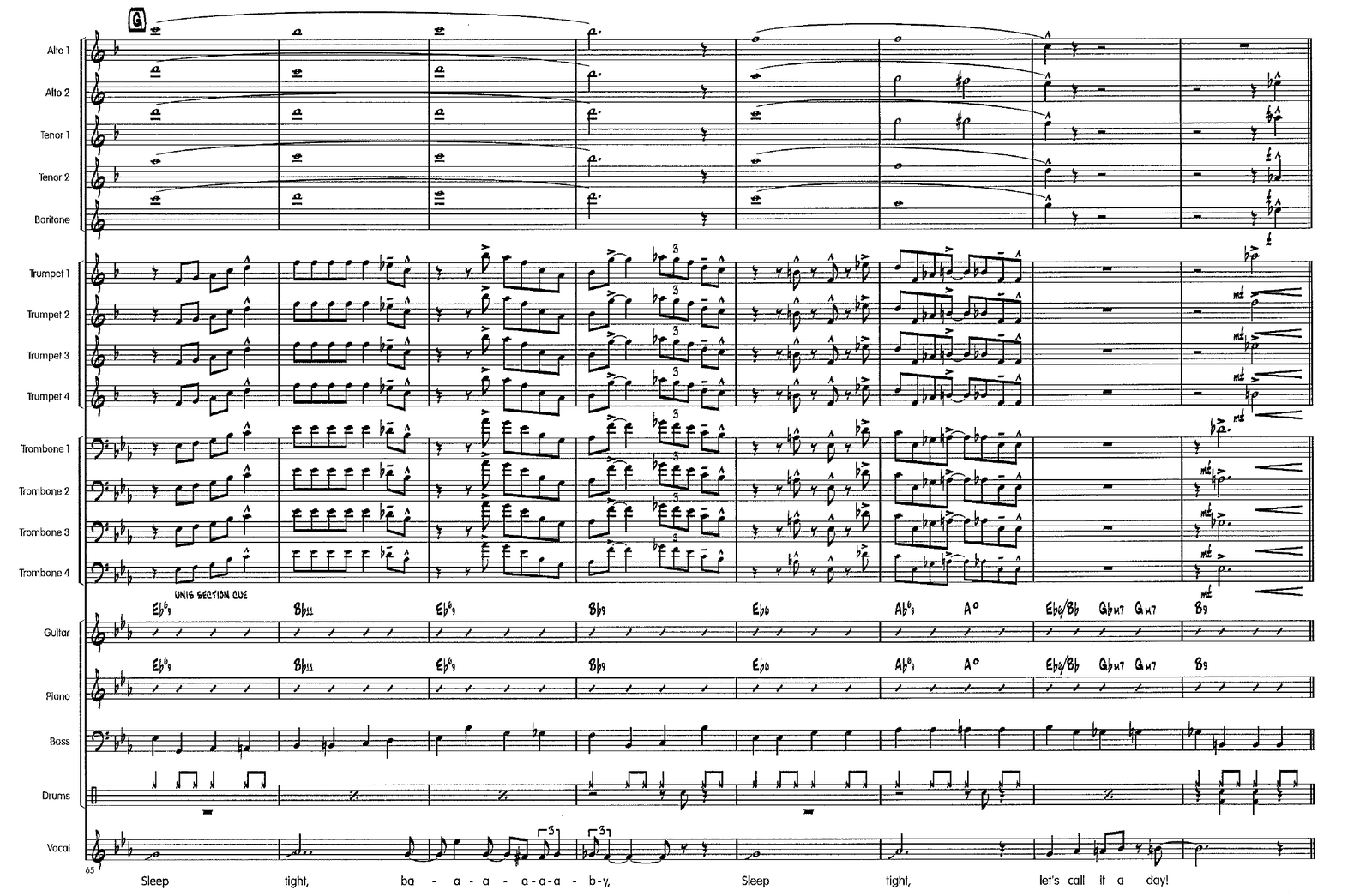
Drag the divider to compare eight bars of the shout chorus (letter G) in both scores, then play the whole piece below. What the band words mean

Bars 65 to 72 of the big-band score on eighteen staves: sustained saxophone chords, the trumpets and trombones in a unison shout, guitar and piano chord slashes, walking bass, drums, and the singer’s long notes on “Sleep tight”.
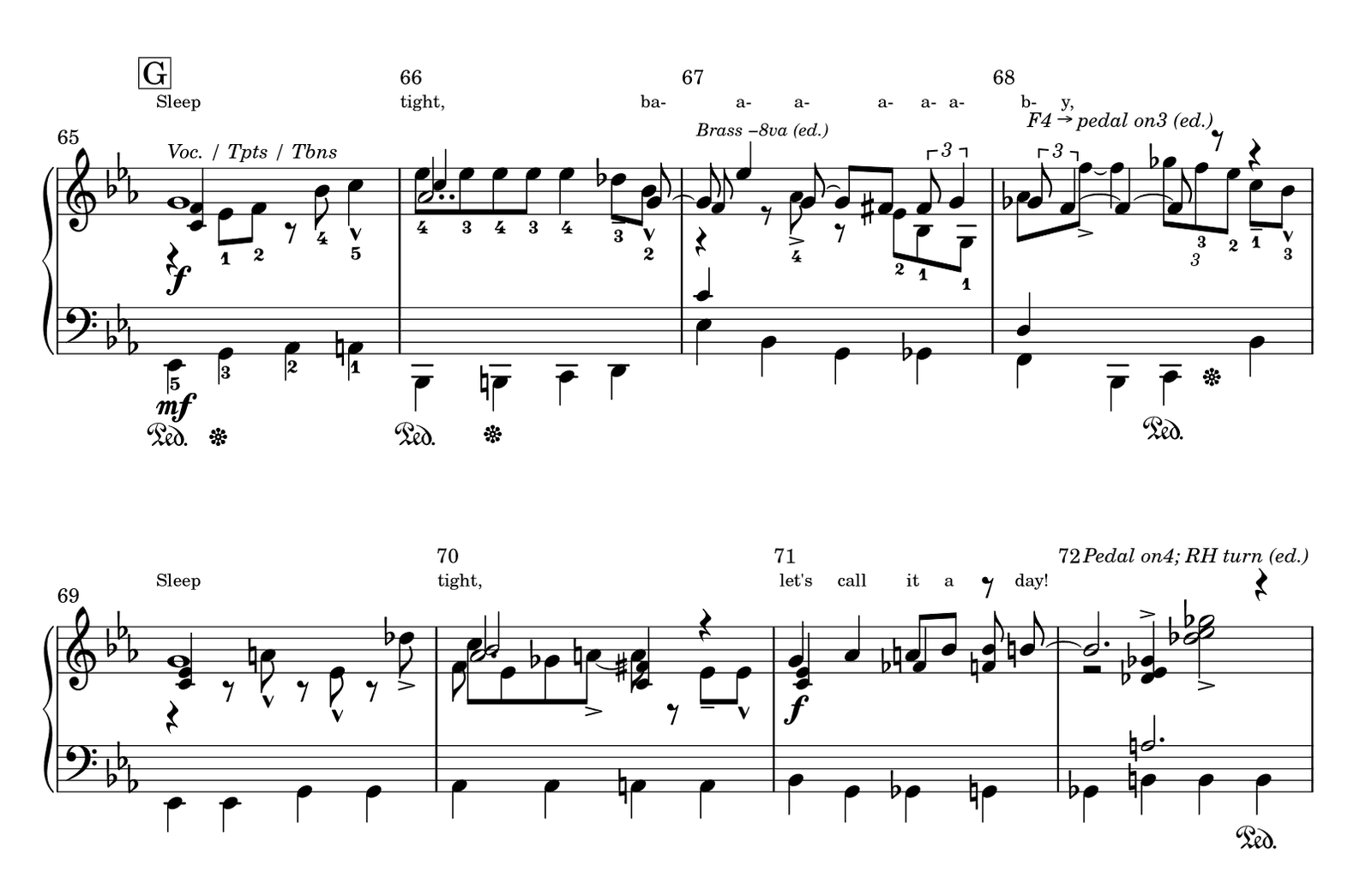
The same bars for solo piano on two staves: the singer’s held notes and the brass line in the right hand with fingering, the walking bass in the left, and short pedal marks.
Harry Warren and Al Dubin, “Lullaby of Broadway”, arranged by Frank De Vol, bars 65–72.
18 → 2
staves, from the band score to the piano score
86
bars, with the D.S., the vamp and the coda as printed
5
pages, with fingering at the hard passages

The walking bass is the bass player’s own line, the brass punches land where the band plays them, and the saxophone soli keep their lead line and most of their harmony. Where the band doubles a line, the piano plays it once. Anything the piano adds to stand in for an instrument, such as a light hi-hat pulse in the introduction or a trumpet fall, is marked editorial in the score.

Before and after

A gentle theme, turned into a concert showpiece.

Hagood Hardy’s “Anne’s Theme”, from the 1985 television adaptation of Anne of Green Gables, went in as Dan Coates’s published piano arrangement. It came back as a virtuoso paraphrase, the kind of piece Liszt made from opera arias and Horowitz from Carmen: the tune kept note for note, and everything around it reinvented, gleefully over the top.

Play the original first, then hear what became of it. The times under each recording mark the same sections in both, so you can hear any passage before and after. What the musical words mean

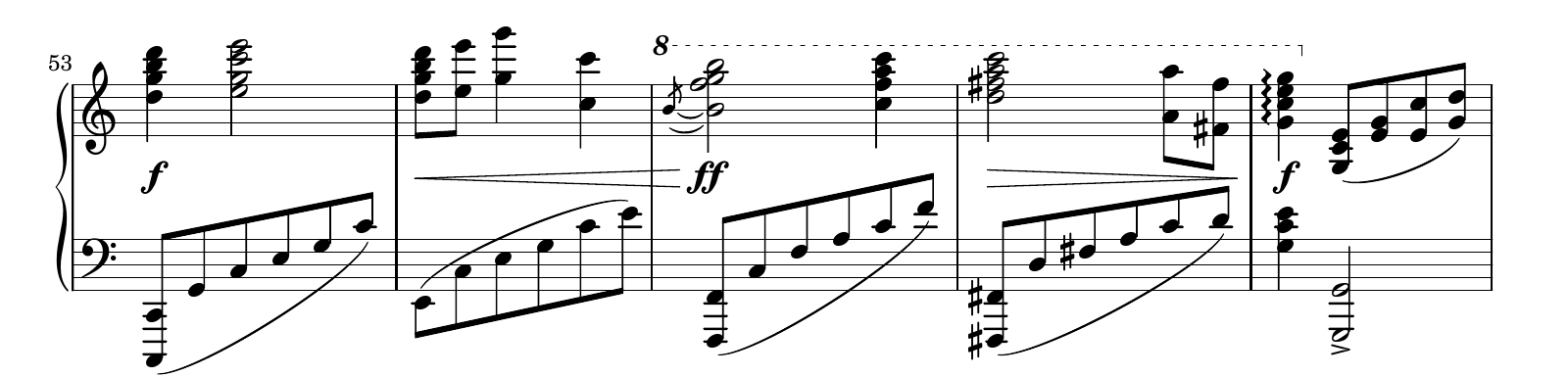
Bars 53 to 57 of the original arrangement: the tune in chords over flowing eighth notes, marked forte, rising to fortissimo.
The original, bars 53–57: the tune in chords, forte, swelling to fortissimo
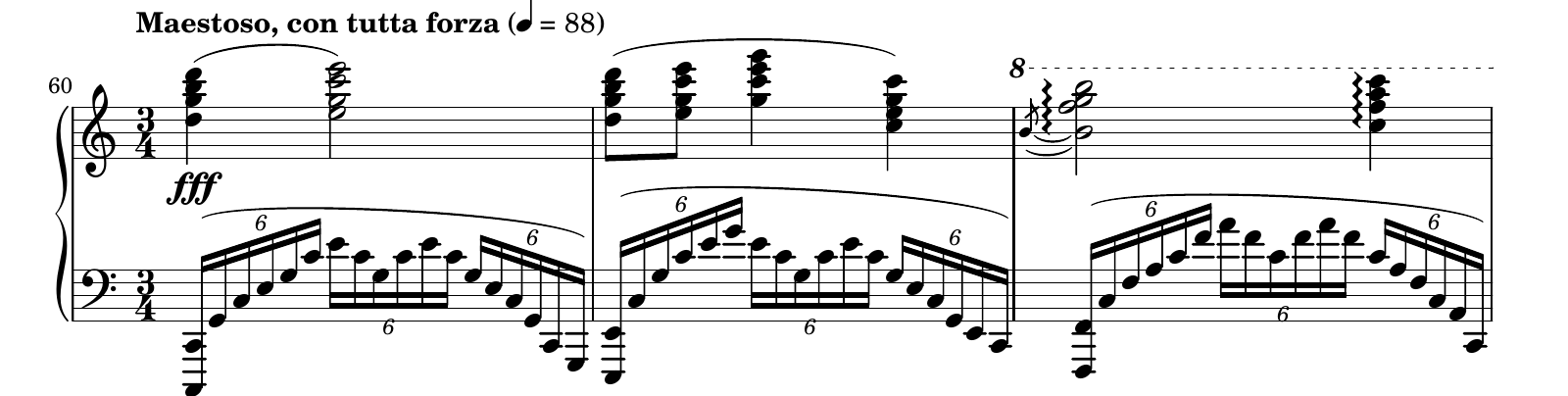
Bars 60 to 62 of the paraphrase, which set the original’s bars 53 to 55: the tune in octave chords, marked triple forte, over sextuplet waves rising from the bottom of the keyboard.
The paraphrase, bars 60–62 (the original’s 53–55): the tune in octave chords, triple forte, over sextuplet waves
67 → 76
bars, every one of the original’s kept in order
173
notes of the tune, all at their original pitch and beat
19
rolled chords, each spread from the bottom note up

It is written to be played by one pianist: every stretch and leap was checked against the reach of two hands, and the few wide leaps sit where the original already has them or across a fermata. It shows how far a setting can travel while the tune stays itself.

The work

Work already delivered, on real repertoire.

Ambitious recompositions and pure fun, each carried from the first note to a finished, engraved score.

J. S. Bach · Adagio, BWV 1005 · in Busoni’s manner

A solo violin Adagio, recomposed for concert piano.

Busoni’s transcription of Bach’s Chaconne keeps everything the violin plays and adds to it. Both scores were studied bar by bar to work out his techniques: the doubled octaves, the exchanges between registers, the organ-like basses.

Then the same techniques were applied to the Adagio from the C major sonata, a movement Busoni never touched, recomposed for concert piano with independent inner voices and expanded harmony.

53
bars
4
engraved pages
4K
score video
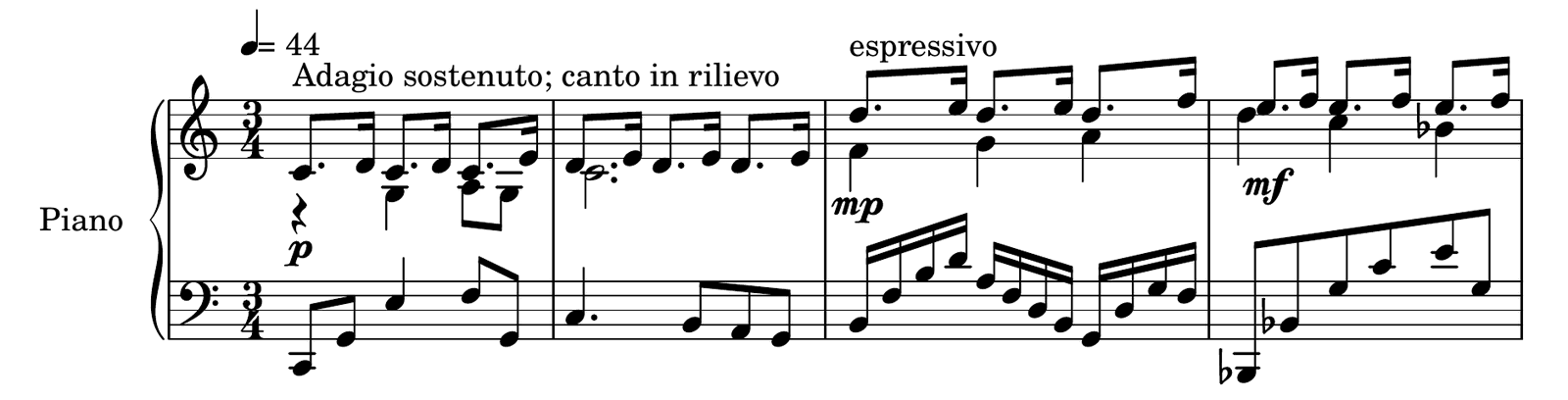
The opening four bars of the concert recomposition for piano, marked Adagio sostenuto, canto in rilievo: the melody in octaves over a moving bass.
Opening bars, marked Adagio sostenuto; canto in rilievo

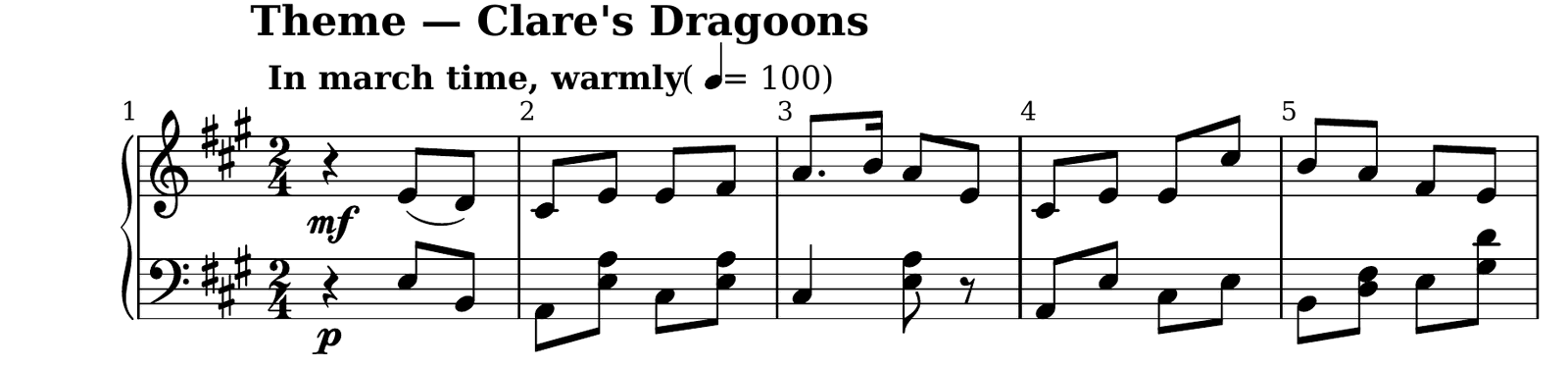
Traditional Irish · Clare’s Dragoons · theme and variations

Twelve variations on an old Irish march.

Given only the name of an eighteenth-century Irish song, the studio found the sheet music, set the tune for piano and wrote twelve variations modelled on Mozart’s “Twinkle, Twinkle” set, K. 265. They include marches, dances and a Minore marked “with quiet gravity”, and the tune stays audible in every one.

No one touched a note along the way, and the result is engraved as a recital edition you can play from.

12
variations
14
engraved pages
The theme of Clare’s Dragoons in A major, marked In march time, warmly, bars 1 to 5.
Theme, in march time, warmly
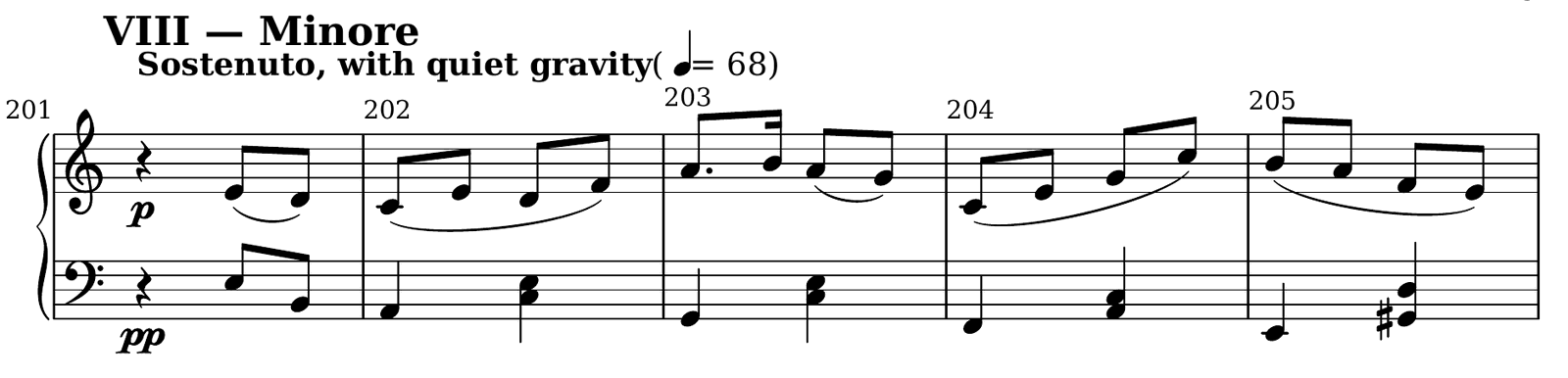
Variation VIII, Minore: the same tune in A minor, marked Sostenuto, with quiet gravity, bars 201 to 205.
Variation VIII, Minore, with quiet gravity

Have a piece that needs this?Get started Create your account Get started Get started Open the studio Contact support

Listen for yourself

Press play on the finished pieces.

Each piece was written, engraved and recorded through QuarterTone. Every video is the delivered score, scrolling in time with its recording; open one full screen to read every note. Press a time in a listening guide to start at that passage.

Also delivered: a 74-bar chromatic fugue in F minor, grown from five bars of a famous 1980s synth hook; a 2000s pop hit set six ways, from Scarlatti to Rachmaninoff.

What the musical words on this page mean

Fugue

Subject
A fugue’s main theme, heard alone at the start and then taken up by each voice in turn.
Answer
The subject’s second entry, in another voice, a fifth higher or a fourth lower. A real answer copies every interval exactly; a tonal answer changes a note or two to stay in the home key.
Episode
In a fugue, a passage between entries of the subject, usually spun from pieces of it and moving to new keys.
Sequence
A short phrase repeated, each time starting a step higher or lower.

Keyboard

Pedals
On the organ, the keyboard played with the feet. It usually carries the bass.
Paraphrase
A free, virtuoso piece built on an existing tune: the tune is kept and everything around it is reinvented, as in Liszt’s paraphrases of opera arias.
Sung by the thumbs
A piano texture made famous by Thalberg: the tune lies in the middle of the keyboard, taken by the thumbs, while both hands decorate it above and below, so it sounds like three hands.
Octave chords
Chords with the tune on top and doubled an octave lower, so the melody rings out over the harmony.

Big band

Chart
Jazz players’ word for an arrangement: the written parts a band plays from.
Vamp
A short chord pattern repeated until the tune comes in, so the singer or soloist can start when ready.
Riff
A short, punchy figure repeated over the changing chords, usually by one section of the band.
Soli
A passage where a whole section plays one line together in harmony. In a saxophone soli the lead alto has the tune and the others move with it in close chords.
Pads
Long, soft chords held under the melody, usually by one section of the band.
Mute
A device fitted into the bell of a trumpet or trombone to soften and colour its sound. The harmon mute gives the thin, buzzing trumpet sound Miles Davis made famous.
Walking bass
A bass line with a note on every beat, stepping through the chords.
Fall
A note that slides down and fades away at its end, a brass effect common in big-band writing.
Hits
Short, accented chords the whole band plays together, often off the beat. Also called kicks or punches.
Shout chorus
The loudest, fullest chorus of a big-band chart, near the end, where the whole band plays the arranger’s own variation on the tune.

Form and dance

Coda
The closing section, after the main material has run its course.
Refrain
The part of a song that comes back with the same words and tune; also called the chorus.
Cadenza
A free, showy passage for the soloist, played out of strict time, often just before the music returns or ends.
Gavotte
A French court dance in moderate duple time whose phrases begin halfway through the bar.

Reading the score

Staff
The five lines music is written on (plural staves). A full score stacks one for each instrument; a piano part has two, one for each hand.
Rehearsal letters
Capital letters printed over the score at the start of sections, A, B, C and on, so players can say where to begin: “from letter G”.
D.S. (dal segno)
“From the sign”: go back to the sign printed earlier in the music and play on from there, often until a jump to the coda.
Fermata
A pause: the note or rest is held longer than written, for as long as the player judges.
Triple forte (fff)
As loud as the instrument goes: louder than fortissimo (ff).

Gets better with use

Every commission improves the next one.

What musicians ask for goes back into the playbooks the studio works from, so every commission starts from everything learned before it.

  1. From the Verdi commission: a conductor wants his own players to cover a missing part.

    Re-scoring starts from the players already in the room, so nobody extra needs to be booked.

  2. From conductors reading new editions: the layout they know matters.

    Editions follow the source’s own layout, with the instruments grouped the way the original groups them.

  3. From the Busoni-style Bach Adagio: a great keyboard expansion recomposes as well as doubles.

    Keyboard expansions write independent inner voices and a real bass, and every later one starts from that method.

Who it is for

For everyone who prepares music for other people to play.

Orchestras & conductors
Parts that match your score, re-scored for the orchestra that turns up, with no extra players to book.
Opera & theatre companies
Piano reductions for the répétiteur, parts for the pit, and scores fitted to the players you have.
Composers
Sketches orchestrated, engraved and heard before anyone is booked.
Film & television composers
A demo the producer can hear before the studio is booked, and the score and parts ready when it is.
Arrangers & copyists
The hours of copying are done for you; the creative decisions stay yours.
Choirs, church & community ensembles
Repertoire re-scored for whoever is there on the day.
Teachers
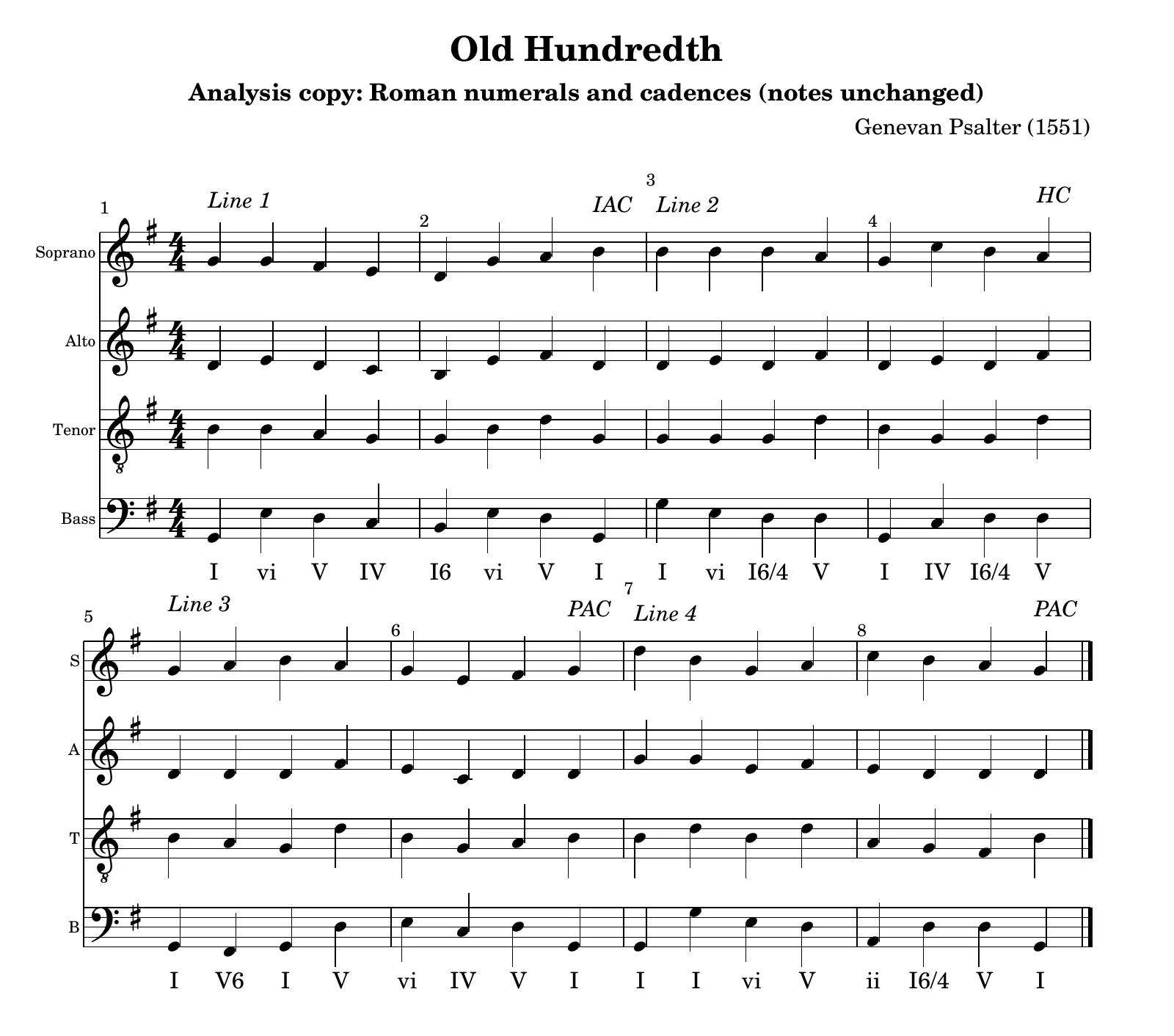
Clean editions, analyses you can teach from, and new pieces written for your students’ level.
Performers
Legible editions, transposed for your instrument and your range.

You stay in charge of the music

  • As much or as little as you want

    Hand over the whole commission, or only the part-copying and transposing you never have time for. You decide what the music should be, and the studio does the legwork.

  • You make the creative calls

    Where a choice is a matter of taste, you see the good options side by side and pick. Every editorial decision, such as a divisi merged in a reduction, is listed with the delivery, so you always know what changed.

Questions

The things musicians ask first.

Anything else? Write to support@quartertone.ai and a person will answer.

Who does the work?

QuarterTone’s arranger is an AI system working with QuarterTone’s own music engine. Every musical choice it makes is recorded, so you can see it and change it, and when something in your score is unclear, it checks with you first. A person answers support email.

Can I send a Sibelius, Dorico, Finale or MuseScore file?

Send the MusicXML it exports: in each of them that is under File, then Export. QuarterTone reads that file, not the program's own format, and from it the notes carry across exactly.

I only have a PDF or a scan. Can I send it?

Yes. Send it as it is: a PDF, a scan or clear photos of each page, however old the edition. QuarterTone reads the music, engraves a clean new edition with numbered bars, and checks with you on any bar the print leaves unclear. If a MusicXML file of the piece exists, from your notation app or from CPDL and IMSLP, send that too and the notes carry across exactly.

How close to the original will it be?

When your file already contains the notes, as MusicXML and MIDI files do, they carry across exactly.

Can I keep editing what comes back?

Yes. Every score arrives as editable MusicXML alongside the print-ready files, so you can keep working in Sibelius, Dorico, Finale or MuseScore exactly as you do now.

Who owns what comes back?

You retain all ownership rights in the musical material, files, and prompts you provide. You own the outputs generated for you to the extent permitted by applicable law. Score files we deliver as PDF, MusicXML or MIDI carry an embedded watermark token, derived from the account the file was made for, so that we can verify where a copy came from. The Terms say this in full, in sections 2 and 3.

Is my music used to train AI?

No. We do not use your uploads, sessions, or deliverables to train AI models. When a result misses, we may write down a general lesson for the shared playbooks our arranger works from. A lesson describes method only. It never copies your music, lyrics, or files, and it is not linked to your account in the playbooks. The Privacy policy says this in full.

What does it cost?

Plans are paid in credits, and one credit is one US cent. You set a budget in each brief before any work runs. What each plan includes, the credit packs and refunds are on the Pricing page.

Can I start today?

Studio places are open today. Sign in, choose a plan and write your first brief; nothing runs until you set a spending limit.The studio isn’t open right now. Create your account so it’s ready when your place opens.We’re opening studio places a few musicians at a time. Sign in to check your place or ask for one.Studio places are open today. Sign in, choose a plan and write your first brief; nothing runs until you set a spending limit.Your account has a studio place. Open the studio to write your brief and choose a spending limit.Your account is paused pending review. You can still write your brief; contact support for help with your account.

Bring the score you have been putting off.

The one at the bottom of the cupboard, or the one that needs parts by Thursday. That is the one to start with.

Get started Create your account Get started Get started Open the studio Contact support

Studio places are open today. Sign in, choose a plan and write your first brief; nothing runs until you set a spending limit.The studio isn’t open right now. Create your account so it’s ready when your place opens.We’re opening studio places a few musicians at a time. Sign in to check your place or ask for one.Studio places are open today. Sign in, choose a plan and write your first brief; nothing runs until you set a spending limit.Your account has a studio place. Open the studio to write your brief and choose a spending limit.Your account is paused pending review. You can still write your brief; contact support for help with your account.